

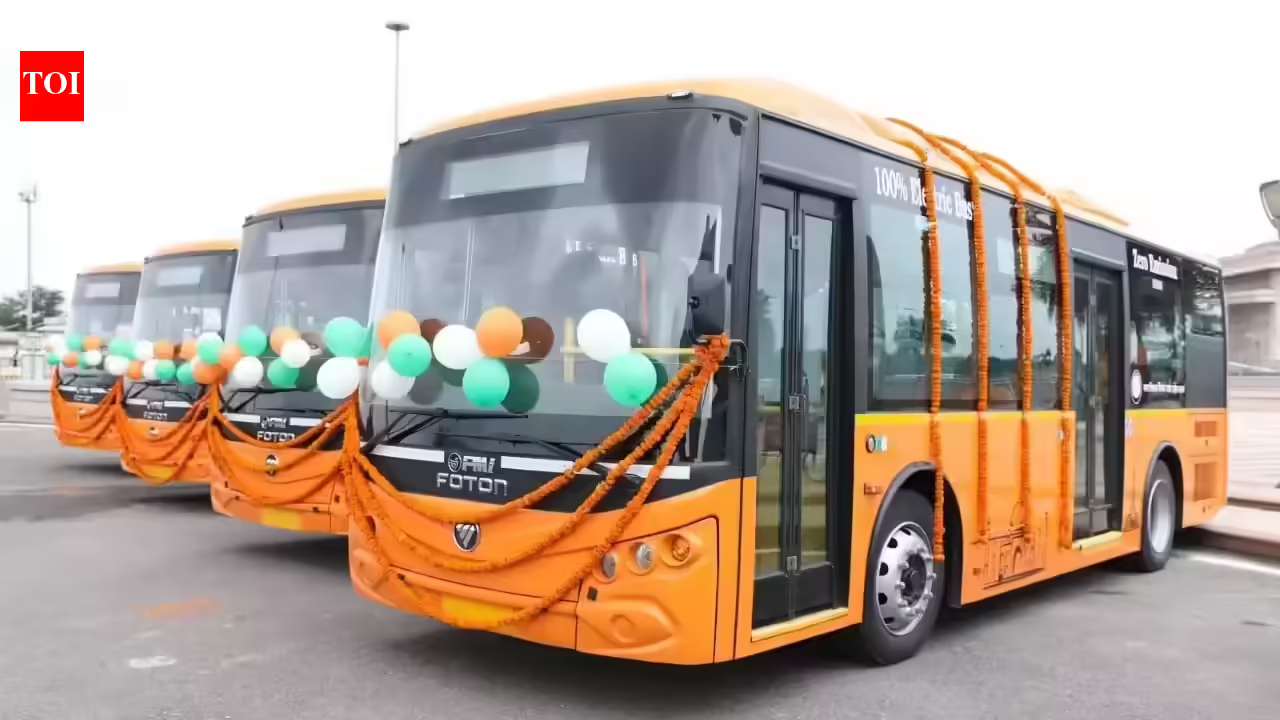
The Center has eased localization requirements under its electric vehicle manufacturing programme, providing relief to manufacturers of electric buses and trucks facing component supply challenges. As per PTI report, the move comes under the government’s Rs 10,900 crore PM e-Drive scheme, which aims to boost domestic EV production while strengthening the supply chain for key components. In a notification issued on March 13, the Ministry of Heavy Industries allowed manufacturers to continue importing traction motors using rare-earth magnets for electric trucks and buses until August 31. This discount applies to vehicles in the N2 and N3 categories of electric trucks and M2 and M3 categories of electric buses. The decision is expected to help manufacturers continue building local production capacities as well as manage ongoing component shortages. This is the second time the government has extended the deadline for localization of traction motors. In September last year, the Center had already extended the deadline till March 2026. With the latest notification, the requirement to completely localize the manufacturing of traction motors will now come into effect from September 1, 2026. Under the Phased Manufacturing Program (PMP) linked to PM Electric Drive Revolution in Innovative Vehicles Promotion Scheme, companies are required to complete key phases of traction motor production within India. These processes include magnet fitment, rotor assembly installation, stator assembly integration, shaft and bearing fitment, enclosure installation, as well as connectors and cable integration. These requirements aim to gradually increase domestic value addition in the EV supply chain. However, sourcing rare-earth magnets remains a major challenge globally. These magnets are a key component in traction motors used in electric vehicles, and are also widely used in sectors such as electronics, aerospace, and renewable energy. India, like many other countries, currently depends heavily on imports for these materials, with China being one of the major suppliers to the global market. To reduce this dependency, the government is also working on strengthening domestic manufacturing of rare-earth components. As part of this effort, the Center has launched a scheme to promote manufacturing of sintered rare earth permanent magnets with a financial outlay of Rs 7,280 crore. The initiative aims to support local production of these critical materials and secure the supply chain for India’s growing EV and technology industries. The latest decision to temporarily relax localization norms is expected to give manufacturers additional time to stabilize production while the country gradually builds the required capacity to manufacture key EV components domestically. Input from PTI.
(TagstoTranslate)PM e-Drive Scheme
