

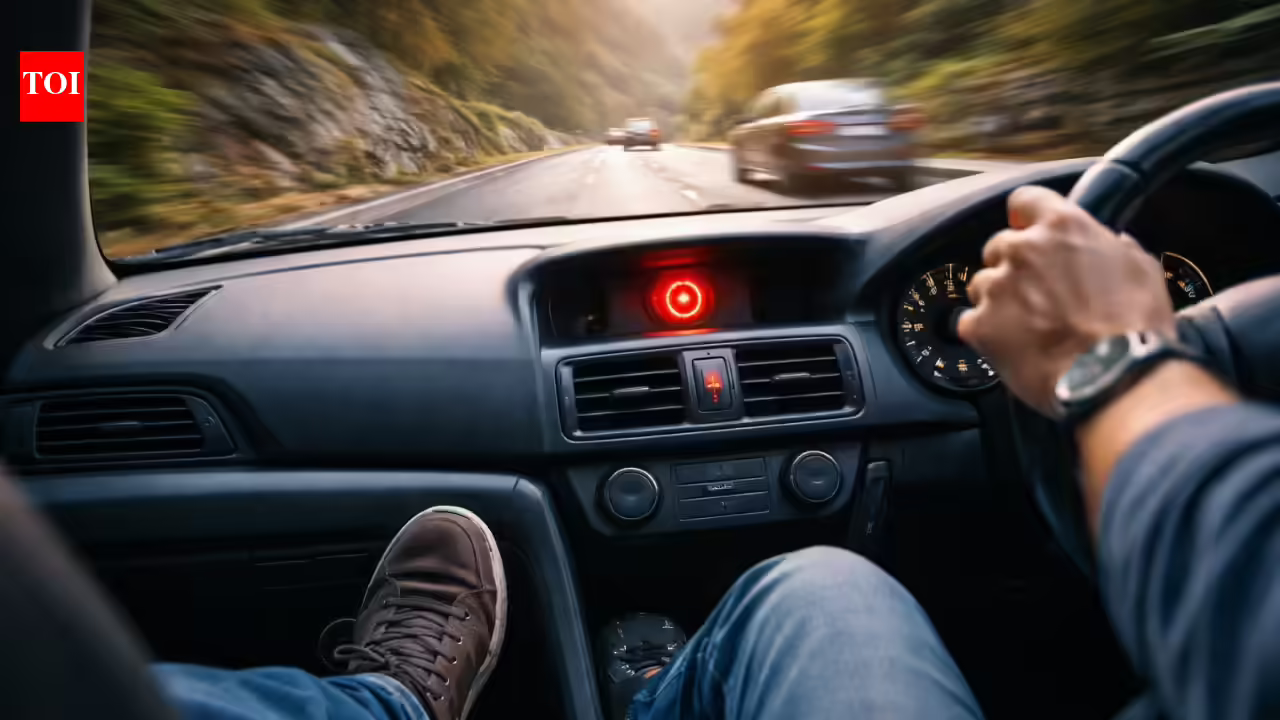
Brake failure is rare in modern cars, but can be caused by issues such as brake fluid leaks, overheating components or worn brake pads, which can reduce braking performance and, in extreme cases, lead to a complete loss of stopping power. Most vehicles are equipped with braking systems designed to provide consistent stopping capability in a variety of driving conditions. Technologies such as anti-lock braking systems and electronic brake distribution have improved overall safety. However, if braking components are not checked or replaced at recommended intervals they can wear out over time.Factors such as poor maintenance, frequent heavy braking, or low brake fluid levels can affect system performance. In some cases, drivers may notice early warning signs before the problem progresses, including a soft brake pedal, long stopping distance, or unusual noises. Although the likelihood of complete brake failure remains low, the consequences can be serious if drivers are unprepared. Panic reactions can worsen the situation, especially at high speeds or in heavy traffic, where sudden movements can increase the risk of losing control. In such situations, remaining calm and taking controlled steps can help slow the vehicle and stop it safely.keep calm and maintain controlThe first thing drivers who experience brake failure should do is remain calm and maintain control of the steering. Jitters can cause sudden movements that may cause the vehicle to lose stability. Holding the steering wheel firmly and scanning the road ahead can help identify a safe route to take at a slower speed. Sudden turns or sudden lane changes should be avoided unless necessary.
pump the brake pedalIf the brakes stop responding, pressing the brake pedal repeatedly may help restore braking force. It can operate in situations where hydraulic pressure is temporarily lost. Pumping the pedal firmly several times may restore some braking response, especially if the problem is caused by air in the brake lines or a drop in brake fluid pressure.Downshift to reduce speed.Engine braking can help reduce speed if the braking system fails. Drivers of manual cars should gradually switch to a lower gear so the engine can help slow the vehicle. In automatic cars, selecting a lower gear such as “L”, “2” or “1” can serve the same purpose. Avoid shifting too quickly into a very low gear at high speed as this may cause the vehicle to jerk or lose traction.Use the handbrake slowly.The parking brake can help slow the vehicle if the main brake fails, but it must be applied carefully. Slowly pulling the handbrake while holding down the release button allows the driver to control the braking force and prevent the rear wheels from locking. Sudden use of the handbrake may cause the vehicle to skid, especially at high speeds.Use road resistance to slow down.Natural resistance can also help reduce speed. If available, driving slightly uphill may slow the vehicle. Allowing the car to go over surfaces with greater resistance such as gravel or grass can also help reduce speed, provided this can be done safely. And as soon as they realize that the brakes are not working properly, they also turn on the hazard lights. This alerts nearby vehicles and allows others to maintain distance. Use of the horn can also help warn nearby motorists or pedestrians, especially near intersections or busy roads.Do not stop the engine immediately.In case of brake failure, shutting down the engine should only be considered the last option. Doing so may disable the power steering, making the vehicle difficult to control. In vehicles with push-button start systems, turning off the engine while moving may also affect some functions. It is generally safe to keep the engine running while concentrating on slowing the vehicle.Regular maintenance can reduce the risk.Regular maintenance plays an important role in reducing the risk of brake failure. Drivers must follow service schedules and ensure that the braking system is inspected regularly. Checking brake fluid levels, replacing worn brake pads, and inspecting brake discs can help maintain proper braking performance. Leaks in the braking system should also be addressed immediately. Drivers should also pay attention to warning signs such as squealing noises, vibration when braking or a soft brake pedal, which may indicate developing problems.Prepared drivers can respond betterBrake failure is rare but can have serious consequences if drivers are unprepared. Responding calmly and using methods such as engine braking, gradually applying the handbrake, and controlled steering can help slow the vehicle safely. Awareness of these steps and proper vehicle maintenance can reduce the risk of accidents in such situations.
(TagstoTranslate)Vehicle Safety Tips(T)Brake Pad Replacement(T)Warning Signs of Brake Failure(T)Safe Driving Techniques During Brake Failure(T)Modern Cars(T)Brake Failure(T)Car Brake Failure(T)Braking System Maintenance(T)Brake Fluid Leaks(T)Anti-Lock Braking Systems
