

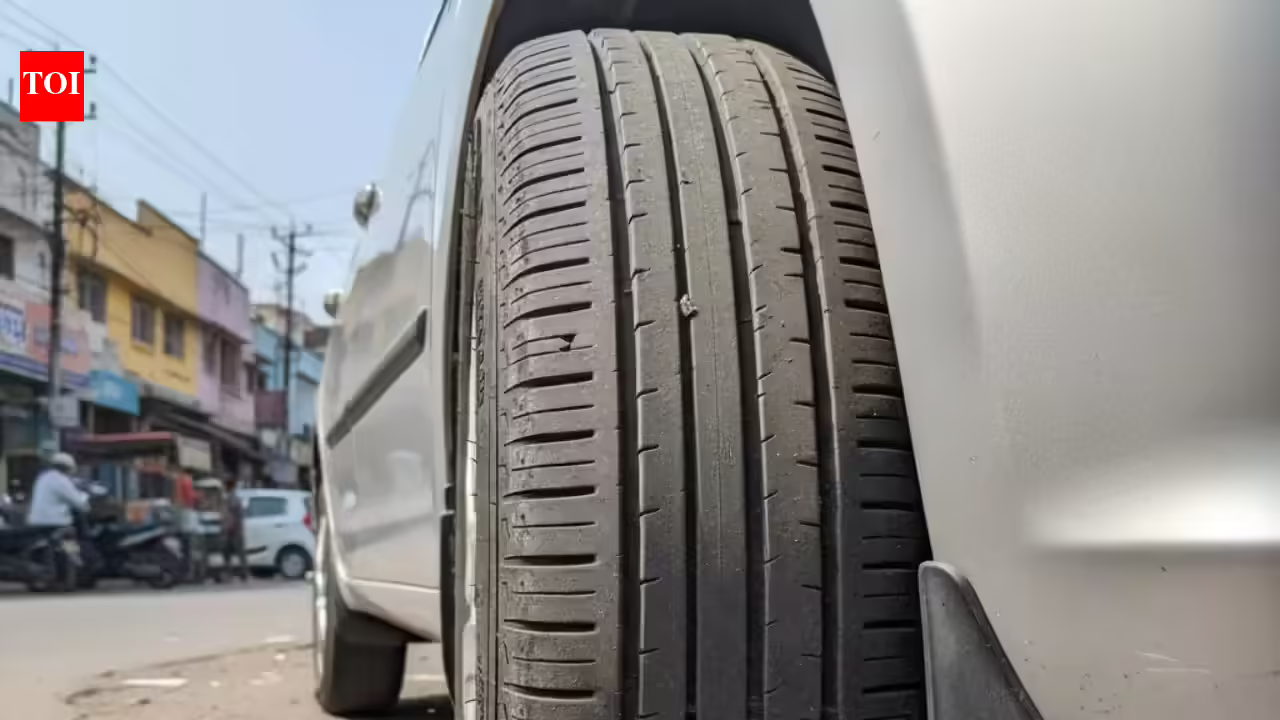
Your car runs on four small pieces of rubber. That’s it. Those tires are the only thing connecting your vehicle to the road. Yet, they are often ignored. Many drivers remember oil changes and servicing, but forget to check tire condition. It is important to know when to replace them. Here’s a quick guide to identifying if your car’s tires need replacing. Start with walking depth. This is the most basic test. As tires wear, grip decreases. This becomes risky on wet roads. Especially during sudden braking. Most tires come with a tread wear indicator. Small bars inside the groove. Once the tire has worn down to that level, the tire is ready. No second guess is needed. Then look at the sidewall. Look carefully. Cracks, cuts or bulges are warning signs. These weaken the tire from inside. And this could lead to an explosion. Sometimes without any warning. It helps to move around and inspect from time to time. It doesn’t take much time. Uneven wear and tear is another thing to look out for. It is not normal for one tire to appear more worn than the other. Even uneven wear on the same tire is a cause for concern. This usually points to alignment, balance or suspension problems. Ignore this, and the tires won’t last long. Handling is also affected.
Be careful while driving. The car often lets you know that something is wrong. Vibration through the steering wheel. Slight wobble. Or not feeling connected to the car. These may be tire related. It’s best to get it checked before it gets worse. Tire age also matters. Not just mileage. Rubber hardens over time. Even if walking feels okay. If your tires are more than six years old, the thought of replacement should be on your mind. Old rubber does not behave the same. Especially in emergency situations. Tire pressure also plays a big role. Under-inflated tires wear out faster. They also affect fuel efficiency. Check the pressure regularly. Stick to what the manufacturer recommends. This is simple. And effective. If your car suddenly starts drinking more fuel, it could be due to tyres. Worn tires increase rolling resistance. The engine has to work harder. Fuel consumption increases.
Car tire care guide: 5 key signs that should not be ignored
– low tread depth– Cracks or bulges on the sidewalls-Uneven tread wear– Excessive vibration while driving-Tires older than six years
(TagstoTranslate)Tire change signs (T)Safety tips for tires (T)Tire change guide (T)Tire pressure effects (T)Check tire condition (T)Uneven tire wear (T)Car handling issues (T)Tread depth measurement
