

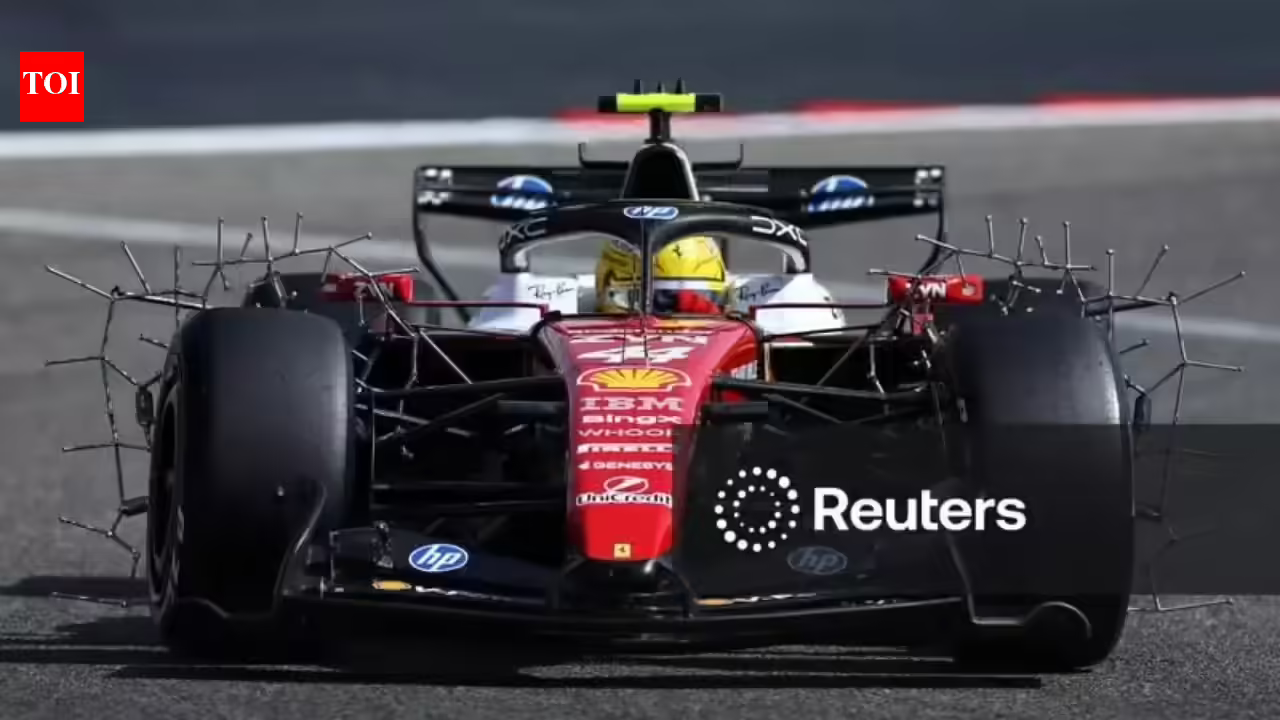
Formula 1 pre-season preparations officially began in Bahrain on Wednesday, marking the start of a vital testing phase ahead of the 2026 season. On the first morning of the race in Bahrain, Red Bull’s Max Verstappen set the benchmark with a fastest lap of 1 minute 35.433 seconds. Over the next two weeks, teams will spend a total of six days on the track, with about eight hours each day to evaluate their new machinery, the AP reports. This year’s test holds additional significance. The 2026 campaign introduces sweeping technological changes that significantly alter the look and feel of the cars. The new machines are smaller, narrower and lighter than before. Most of the overhaul focused on aerodynamics. The cars now run with narrower tires as well as revised wing and floor designs aimed at improving efficiency and racing dynamics.
Another notable update is the introduction of the “Overtake” button. Drivers can activate it when they are within one second of the car ahead. According to Formula 1, this system gives drivers access to additional electrical energy, potentially creating more overtaking opportunities on track. Meanwhile, the previously known maximum power button has been rebranded as the “Boost” button. There has also been a major change in power units. The engines now operate on an almost 50-50 split between petrol and electric power. Formula 1 says the move makes the technology “more road relevant” and more closely aligns the sport with modern automotive trends. Reliability will be closely scrutinized during testing, as teams aim to resolve teething issues before the season-opening race in Australia next month.
(TagstoTranslate)Formula 1(T)2026 season(T)Bahrain(T)Pre-season testing(T)Overtake button(T)Aerodynamics(T)Max Verstappen(T)Lando Norris(T)Racing dynamics(T)Power units
