

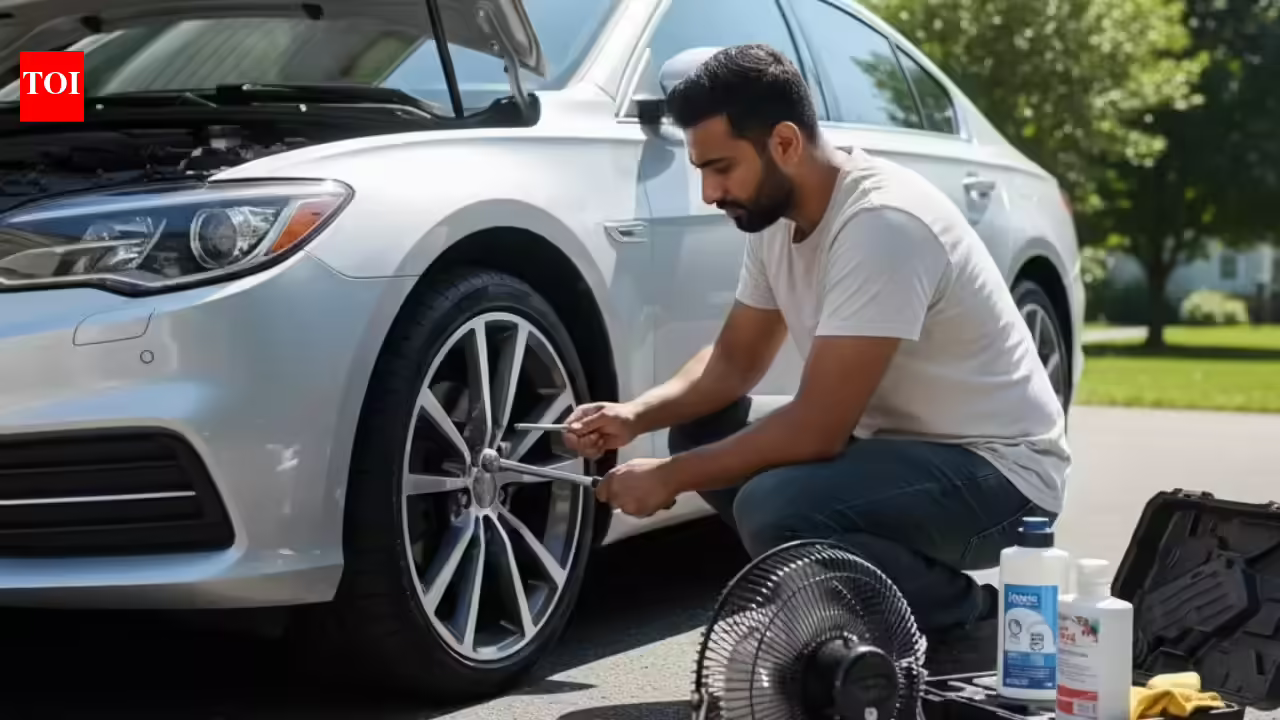
Summer in India can be brutal. Not just for people, but also for cars. In many parts of the country, day temperatures easily cross 40°C. Now imagine a car parked in direct sunlight for hours. The cabin becomes an oven, and mechanical parts are also exposed to intense heat.Such conditions place additional stress on many components of the vehicle. The engine runs hotter, the tires expand more than usual, and the battery works harder too. If basic maintenance is ignored, the possibility of overheating or sudden malfunction increases. Here, let’s take a look at a handy maintenance checklist to ensure optimal performance.
Keep an eye on engine coolant
One of the first things to check in the summer is the cooling system. Your car’s engine produces a lot of heat while it’s running, and coolant plays a vital role in controlling that temperature.If the coolant level gets too low, the engine may begin to overheat. This can quickly turn into an expensive repair. It’s a good idea to periodically check the coolant reservoir and top it up if necessary.
Make sure the AC is doing its job
let’s face it. It is extremely inconvenient to drive without proper air conditioning in the Indian summer.If cooling feels weaker than normal, it may be time for a quick inspection. Sometimes the problem is as simple as a low refrigerant level. In other cases, a clogged cabin filter may restrict airflow. Cleaning or replacing the air filter may restore cooling performance.
Don’t ignore the battery
Many drivers think that batteries degrade only in winter. In fact, heat can be just as harmful. High temperatures can cause battery fluid to evaporate rapidly. Over time this can cause corrosion around the terminals or sudden battery failure. If your car battery is more than three years old, it is wise to get it tested during regular servicing. Also check whether the terminals are clean and tightly connected.
Check tire pressure regularly
Tires are another component that reacts strongly to heat. When the temperature rises, the air inside the tires expands. This naturally increases the tire pressure. If the pressure exceeds the recommended level, it may affect grip and increase the risk of tire damage during long highway drives. Checking your tire pressure every few weeks is a good habit to get into, especially during the height of summer.
Monitor engine oil and other fluids
Engine oil keeps moving parts lubricated and reduces friction. When oil becomes old or contaminated, its efficiency decreases. This means the engine has to work harder, which can lead to increased heat. Make sure the oil level is within the recommended range and follow the manufacturer’s service schedule for oil changes.
Protect the interior from direct sunlight
The sun can also affect the interior of your car. Constant exposure to heat can cause dashboards and plastic panels to discolor or crack over time. Parking in shady areas helps a lot. When shade is not available, a simple windshield sunshade can significantly reduce cabin temperatures. Some drivers also leave the windows slightly open to allow trapped hot air to escape.
Pay attention to warning signs
Cars usually give early signals when something goes wrong. Rising engine temperature, unusual smell, weak AC cooling or difficulty starting the car should never be ignored. Getting your vehicle inspected early can prevent bigger and more expensive problems later on.
(TagstoTranslate) Summer car maintenance India
