

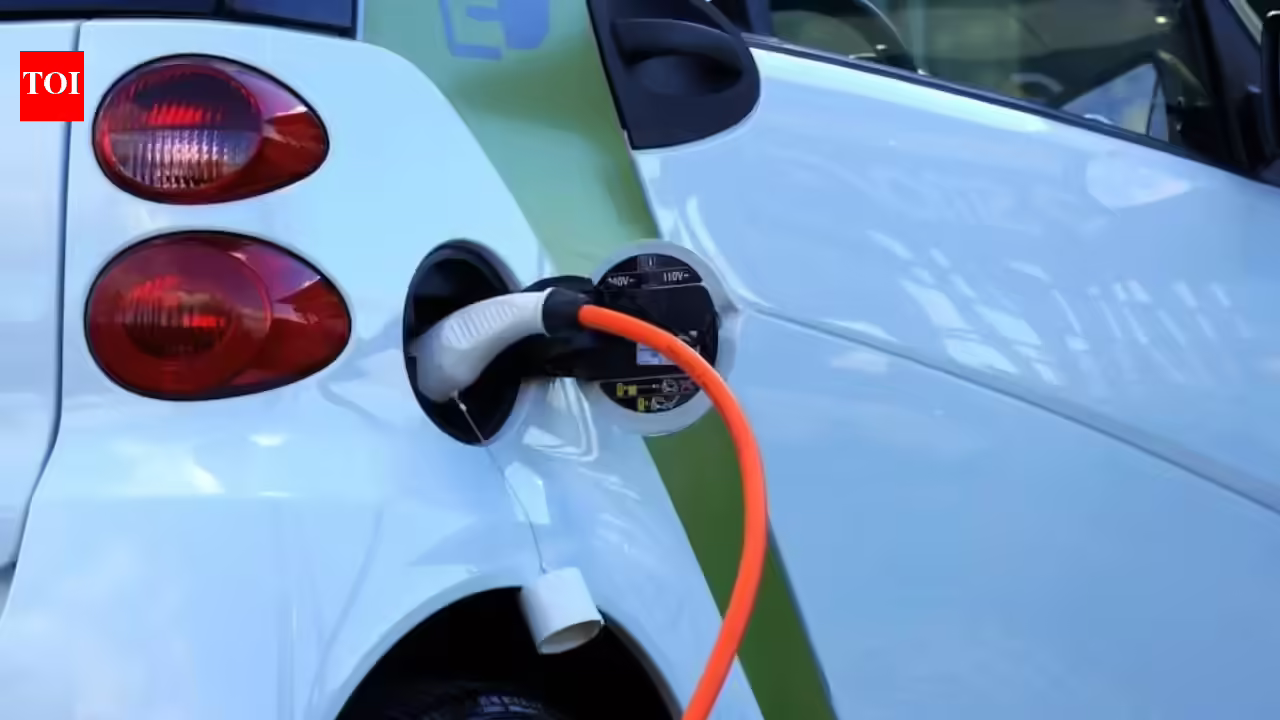
Switching to electric vehicles in India is not just about the vehicle. Your home charging setup also plays an equally important role. Unlike petrol pumps, charging depends on your daily routine and where you park. Getting it right before you buy an EV can save time, money and effort later.The first thing to check is your parking situation. A fixed parking space with access to electricity is required. For most electric scooters and many entry-level EV cars, a standard 15A socket is sufficient for home charging. However, the socket must be close to the vehicle and installed securely. If your parking is on the roadside or away from your home, regular charging can become a challenge.Electrical preparation is the next step. Indian homes generally support basic EV charging, but the wiring must be in good condition. A 15A plug point with proper earthing is recommended. In many cases, manufacturers also provide a portable charger that works on this setup. For higher capacity EVs, especially cars, a dedicated AC wall box charger can be installed. This ensures faster and safer charging than a regular socket.
If you live in an apartment, you may need approval from your housing society. In many states, societies are encouraged to allow residents to install charging points. Still, you may need to arrange wiring from your electricity meter to your parking slot. Some users opt for a separate sub-meter to track EV charging usage.Load capacity is an important but often overlooked factor. Charging an EV puts additional load on your home connection. If you plan to install a fast charger or charge the car regularly, you may need to upgrade your permitted load with your local authority. Security should not be compromised. Avoid using extension cords or temporary wires. A proper circuit breaker (MCB) and residual current device (RCD) add an extra layer of protection. In addition, the charging point should be placed in a covered area to protect it from rain and direct sunlight, especially in cities with bad weather.Charging habits also matter. Most EV users in India charge overnight when power demand is low and vehicles are not in use. It works well for daily commute. For example, an electric scooter with a 3 to 5 kWh battery can be fully charged in a few hours, while EV cars may take longer depending on battery size and charger type.Cost is another advantage, but it requires planning. Charging at home is much cheaper than petrol or diesel. The cost of electricity in most states ranges between Rs 6 to Rs 10 per unit on an average. This makes it economical to drive an EV, but your monthly bill will increase depending on usage. Public charging infrastructure is growing in India, but it is still not as widespread as fuel stations. This makes home charging the primary method for most users. Having a reliable setup at home reduces dependence on public chargers and makes daily usage stress-free.
(TagstoTranslate) Home charging setup for EVs (T) Electric vehicle charging requirements (T) EV home charging costs in India (T) How to install an EV charger at home (T) Parking requirements for electric vehicles (T) Choosing the right EV charging equipment (T) Public EV charging infrastructure in India (T) Safety tips for EV charging (T) Electric scooter charging tips (T) Electric vehicle home charging benefits
