

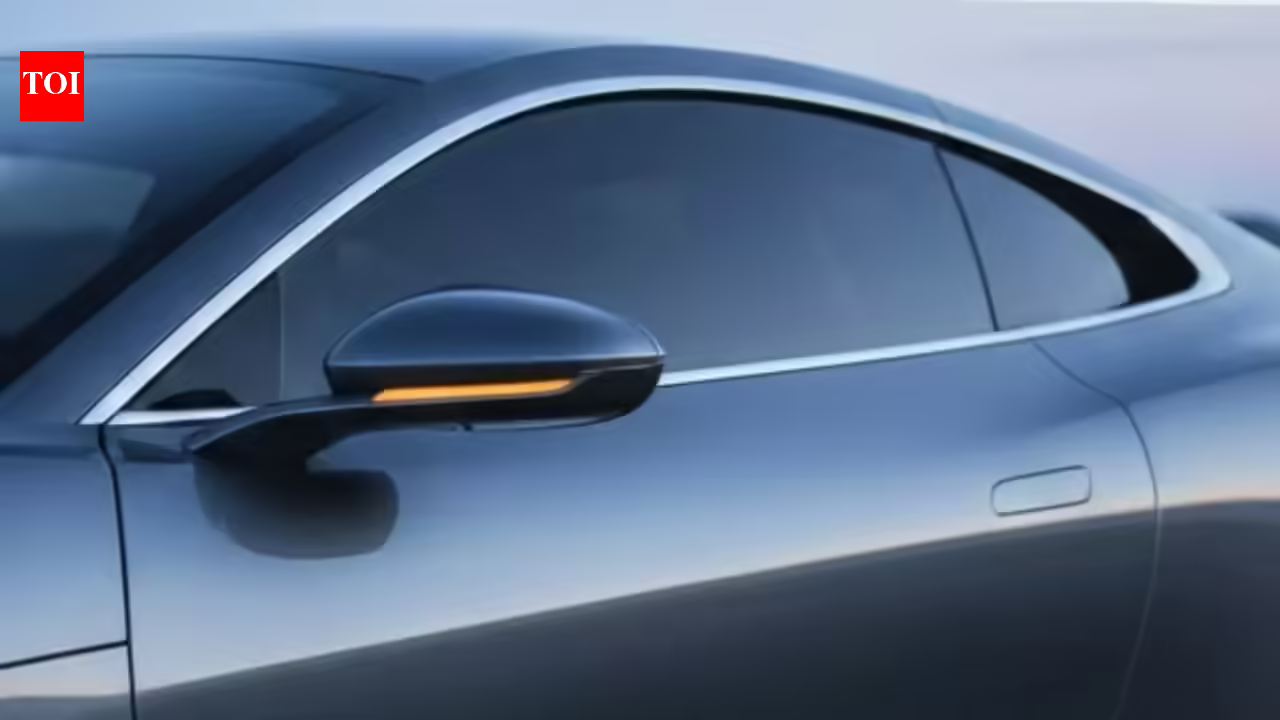
China is set to curb one of the most popular design elements seen in modern cars, especially electric cars. These are flush or hidden door handles. From January 1, 2027, all new passenger vehicles sold in the country will be required to feature a mechanical door release mechanism. The announcement was made by China’s Ministry of Industry and Information Technology and applies to all doors except the tailgate.
Ban on flush-fitting door handles in China: Why is this a concern?
The decision follows safety concerns over serious electric vehicle accidents in which the electronic door mechanism reportedly failed after the crashes, trapping the occupants inside. Regulators believe that door handles that rely solely on electrical systems can pose a serious hazard during emergencies, especially when power supplies are interrupted. Car makers selling cars that have already received approval will have until January 1, 2029, to update their designs to meet the new requirement.
Flush-fitting and retractable door handles have become increasingly common, especially on premium electric vehicles. Models like the Tesla Model 3 and Model Y, BMW’s iX3, along with many Chinese-brand EVs, use pop-out or press-to-release handles that sit flush with the body. In some cases, users have also reported minor injuries when operating unfamiliar press-type handles. More importantly, there remains the concern about access from outside the vehicle in case of an accident or power outage. Because these systems rely on motors, sensors, and additional electronics, they also increase complexity, increasing weight and increasing manufacturing costs.
Should India also take similar action?
In India, flush door handles are still largely restricted to premium cars and electric vehicles. Therefore, pop-out and press-to-release types in particular should be evaluated, even though most cars on sale in India currently use mechanical versions rather than fully electric. However, their presence is increasing. These handles are often marketed for their attractive design and minor aerodynamic benefits. However they offer little or no real-world benefit in daily use.Because these systems rely on motors and additional electronic components, they add weight to the vehicle, increase complexity, and increase cost, all without providing meaningful usability benefits. Thus, it makes a strong case for regulators to closely evaluate their relevance to the Indian market.
(TagstoTranslate)Flush door handle ban China(T)Electric vehicle safety concerns(T)Vehicle door handle safety(T)China passenger vehicle regulations(T)Mechanical door release mechanisms(T)Flush door handles India(T)Design elements of electric cars(T)Premium EVs design features(T)Car manufacturer rule updates
