

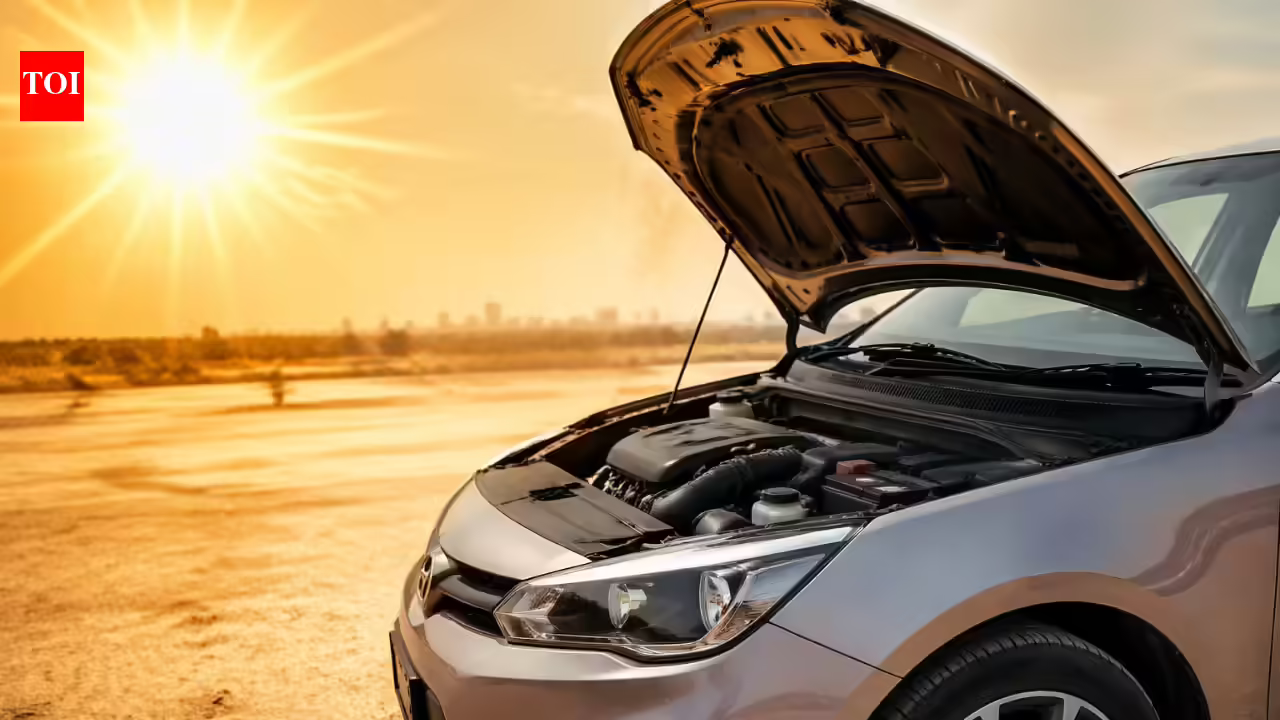
The high temperatures of summer in India, often exceeding 40 degrees Celsius, can affect many vehicle components, affecting performance, durability and overall condition. Prolonged exposure to heat can stress the engine, reduce battery life, increase tire wear and tear and increase wear on both mechanical and internal parts. The engine and cooling system are most affected. High ambient temperatures reduce cooling efficiency, especially in stop-and-go traffic. Low or poor coolant increases the risk of overheating, while putting additional stress on components like the radiator, fans and hoses, potentially leading to breakdown.Battery performance may also degrade in hot conditions. Elevated temperatures accelerate fluid evaporation, weakening internal components and shortening lifespan. Vehicles parked outside for long periods of time are more sensitive, including signs such as slow cranking and reduced electrical performance. The risk to tires increases as air pressure and road temperature increase due to heat. This can cause a blowout, especially at higher speeds. Underinflated tires create excessive heat due to friction, further increasing the risk of failure. Regular pressure checking and tread inspection becomes important during this period.
Fuel efficiency may decline during the summer months. Increased use of air conditioning increases the load on the engine, while hot air slightly reduces combustion efficiency, thereby reducing mileage. The air conditioning system itself operates under high load. Low refrigerant levels or clogged filters reduce cooling efficiency, causing the system to work harder and increasing wear over time.Internal components are also affected. When parked in direct sunlight, the cabin temperature increases significantly, causing discoloration, cracks and material deterioration. Prolonged exposure to heat can also affect electronic components, including the infotainment system. On exteriors, constant sunlight can degrade the quality of the paint, causing color fading and oxidation. Darker colors absorb more heat, speeding up the process. Rubber parts like window seals and wiper blades can also wear out faster.High temperatures can also affect fluids like engine oil, brake fluid and transmission fluid, reducing their effectiveness. Engine oil may become thinner, affecting lubrication and increasing wear on internal components. Electronic systems and sensors may experience minor problems under sustained heat, including reduced efficiency or warning alerts, although most are designed to operate within a wide temperature range.To minimize the impact, owners can take basic precautions such as parking in shady areas, using sunshades or covers, maintaining coolant and fluid levels, regularly checking tire pressures, servicing the air conditioning system and avoiding excessive engine load in traffic or long drives. While modern vehicles are built to handle high temperatures, regular maintenance and preventive checks are important to ensure consistent performance during the Indian summer.
(TagstoTranslate) Indian summer (T) Preventing engine overheating (T) Vehicle performance (T) Tire protection in summer (T) Preventive vehicle maintenance tips (T) Effect of high temperatures on cars (T) Car interior protection from heat (T) Car maintenance (T) Cooling system efficiency (T) Air conditioning load on the engine
