

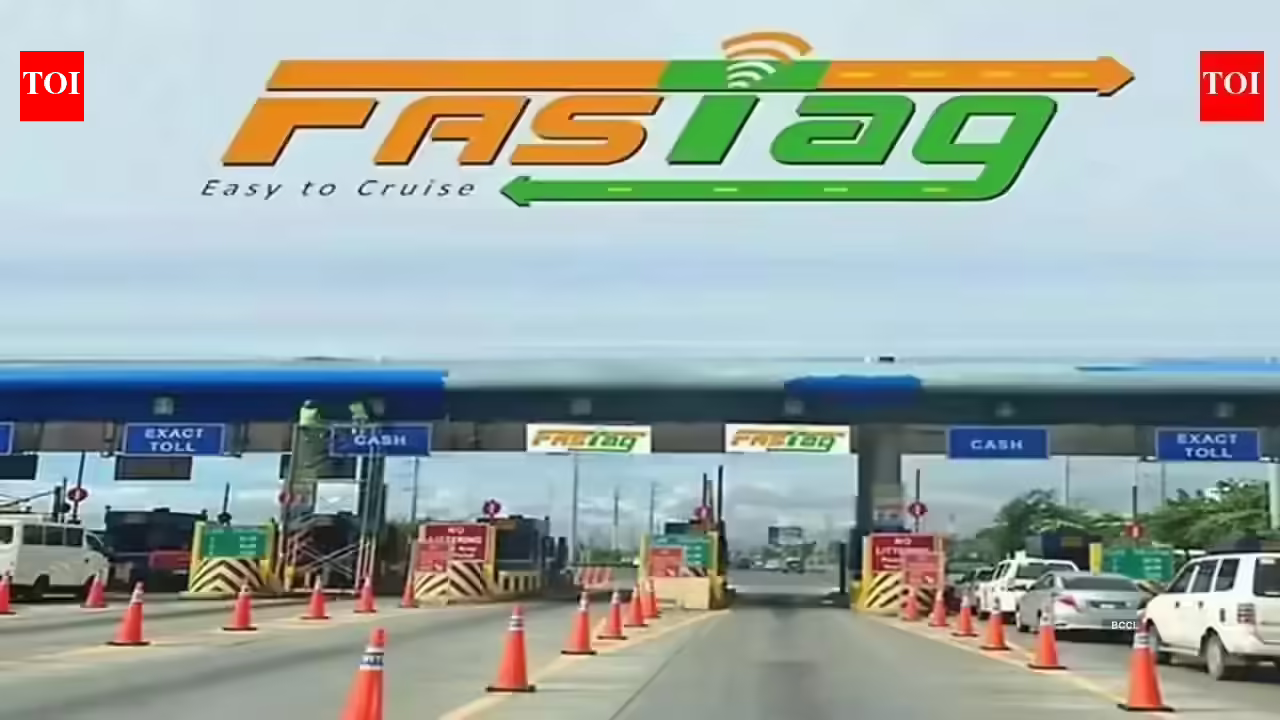
Cash transactions at highway toll plazas in India are going to be a thing of the past. From April 10, commuters on national highways will no longer be able to pay toll charges using cash, a move that has been formally notified by the Ministry of Road Transport and Highways.According to reports, the announcement has been made through a gazette notification, signaling a strong push towards digital payments and a fully electronic toll collection system, aimed at improving efficiency and reducing congestion at busy checkpoints across the country. Also, the new rule introduces higher costs for those choosing to pay through the Unified Payment Interface without a valid Fastag, making compliance almost unavoidable for frequent highway users.
No cash at toll plazas from April 10, 2026: UPI payments 1.25 times higher than those without valid Fastag
According to PTI report, from April 10, all toll payments on national highways will go completely electronic mode. This is in line with the government’s long-running effort for digital infrastructure and cashless transactions. FASTag, which is already widely used, has become the default and expected method of payment. This change will not seem completely new to regular travelers. Many toll plazas have already reduced or discouraged cash payments over the years. For drivers without FASTag, the system still provides a fallback. But it comes at a cost.If a vehicle enters the toll plaza without a valid FASTag, payment through UPI will still be allowed. But the fee will be 1.25 times more than the standard toll fee. That extra 25 percent may seem small at first glance. In long distance travel, this increases further. This policy appears to be designed to discourage last minute or non-compliant payments. This motivates users to set up and maintain a working Fastag instead of relying on alternatives.
How it can help reduce toll plaza queues and fuel consumption
National Highway Authority of India officials have indicated that the move is largely about efficiency. Long queues at toll plazas have been a frequent issue. Even a small delay per vehicle during rush hour can cause congestion for kilometers. Vehicles equipped with Fastag can pass through toll checkpoints without stopping. The system automatically deducts the fee, reducing transaction time. There is also an environmental aspect, although this is not highlighted much in the notification. Lower waiting times can mean lower fuel consumption and lower emissions, especially on busy corridors.
What does this mean for everyday travelers
For most highway users, the change may seem minor. FASTag adoption is already high across India.Drivers who rely on cash, make occasional trips or those with inactive Fastag may need to make adjustments quickly. The 1.25x penalty for UPI payments effectively eliminates the convenience of being left out of the FASTag system.
